
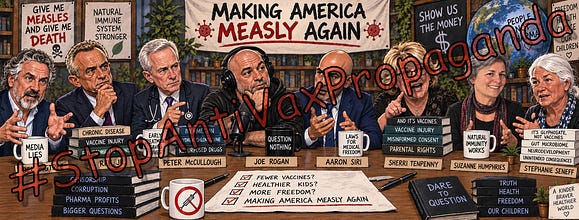

Well, technically COVID never went away, but yes, COVID does seem to be coming back - again.
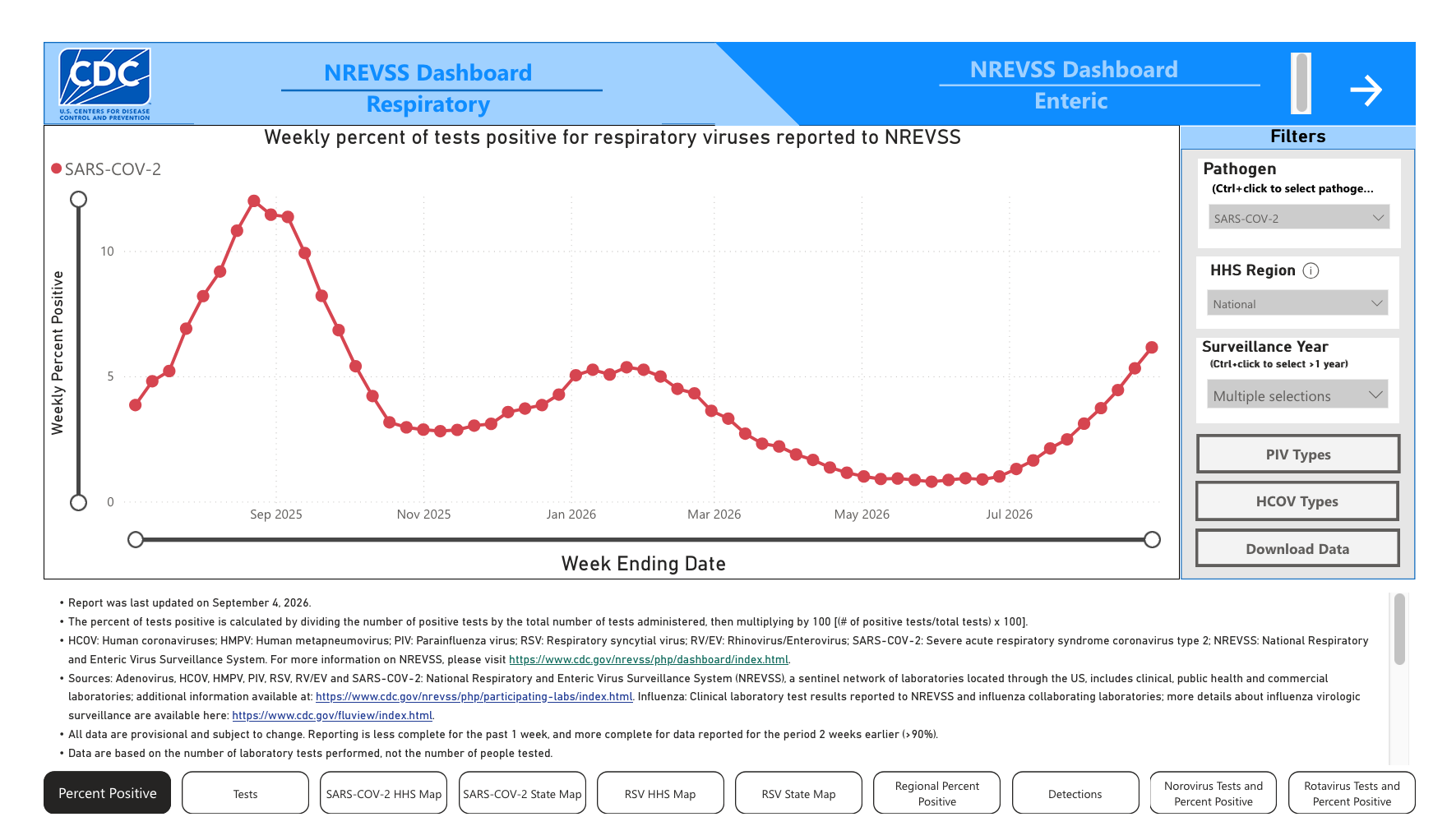
So what now?
Is COVID Back - Again?
Well, let’s see where COVID is coming back.
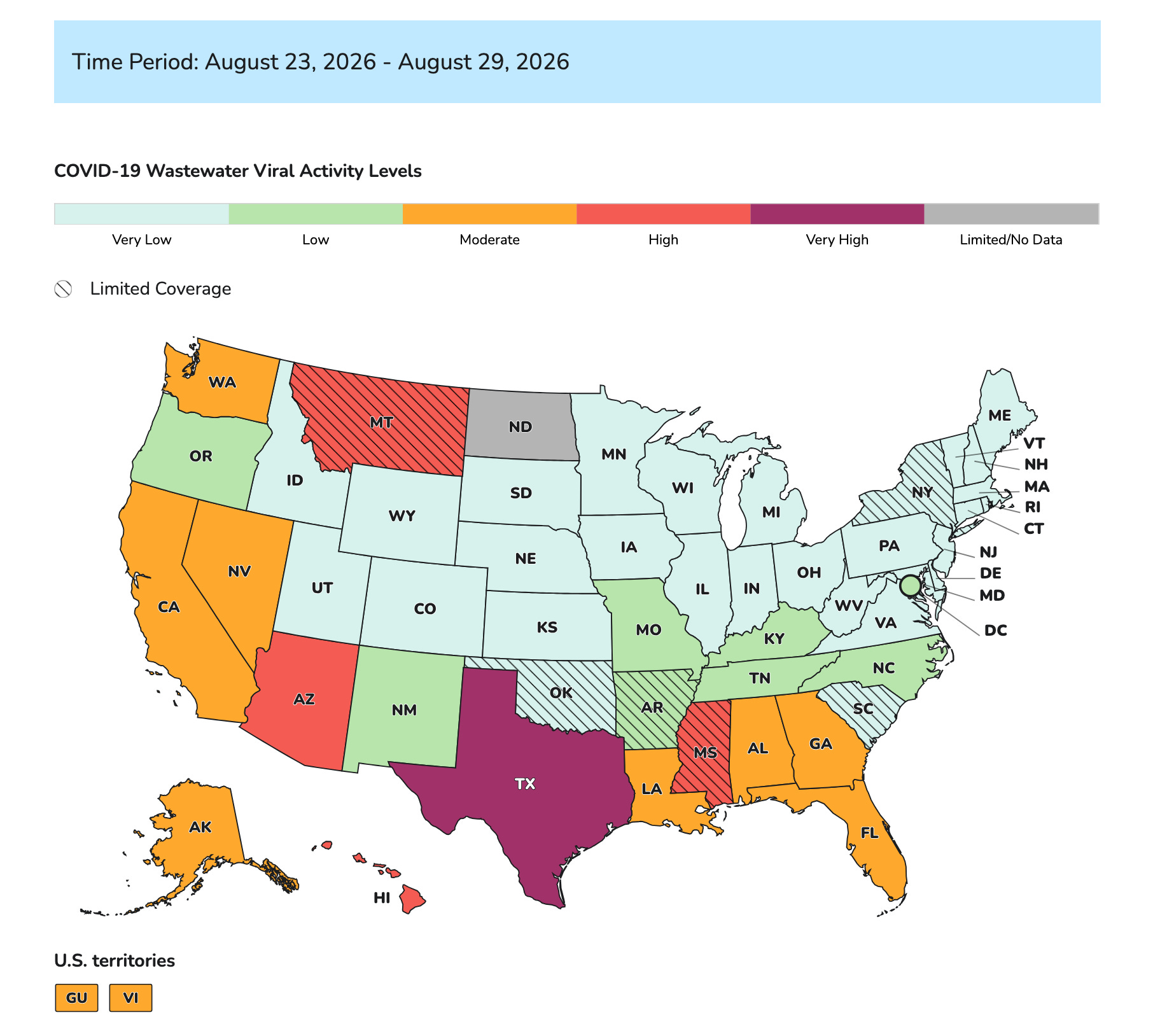
So far, just under a dozen states are seeing moderate to very high levels of COVID.
Will that be it?
Probably not!
We will have to watch and wait to see if and when it spreads to other states now.
What else?
Updated COVID vaccines that target the latest variant have arrived!
Well, at least they have arrived in many pharmacies for adults, with some pediatricians reporting that they have gotten some doses too. Many others are still waiting though, so maybe ‘available’ was too strong a strong word.
They have been approved and are becoming available!
Updated COVID Vaccines
For the 2026-2027 COVID season, the following vaccines are available:
Spikevax - Moderna’s mRNA vaccine - approved for those 6 months to 64 years old with an underlying condition and people age 65 and older.
mNEXSPIKE - Moderna’s new, lower-dose vaccine - approved for those 12 years to 64 years old with an underlying condition and people age 65 and older. Is supposed to be just as effective with one-fifth the mRNA and lower side effects!
Comirnity XFG - Pfizer’s mRNA vaccine - approved for those 5 years to 64 years old with an underlying condition and people age 65 and older.
Nuvaxovid - Novavax-Sanofi’s non-mRNA vaccine - approved for those 12 years to 64 years old with an underlying condition and people age 65 and older.
And with COVID disease rates on the rise, this would likely be a good time to get vaccinated if you want or need to be protected.
Who Needs a COVID Vaccine?
But who needs to be protected with a COVID vaccine?
“The AAP recommends all infants and children 6 through 23 months of age who do not have contraindications receive 2026–2027 COVID-19 vaccine. The AAP also recommends a single dose of age-appropriate 2026–2027 COVID-19 vaccine for all children and adolescents 2 through 18 years of age at increased risk of severe COVID-19, regardless of prior COVID-19 vaccination status. Children 2 through 18 years of age not considered at increased risk of severe COVID-19 whose parent or guardian desires their protection from COVID-19 should be offered a single dose of age- appropriate 2026–2027 COVID-19 vaccine.”
Recommendations for COVID-19 Vaccines in Infants, Children, and Adolescents, 2026-2027: Policy Statement
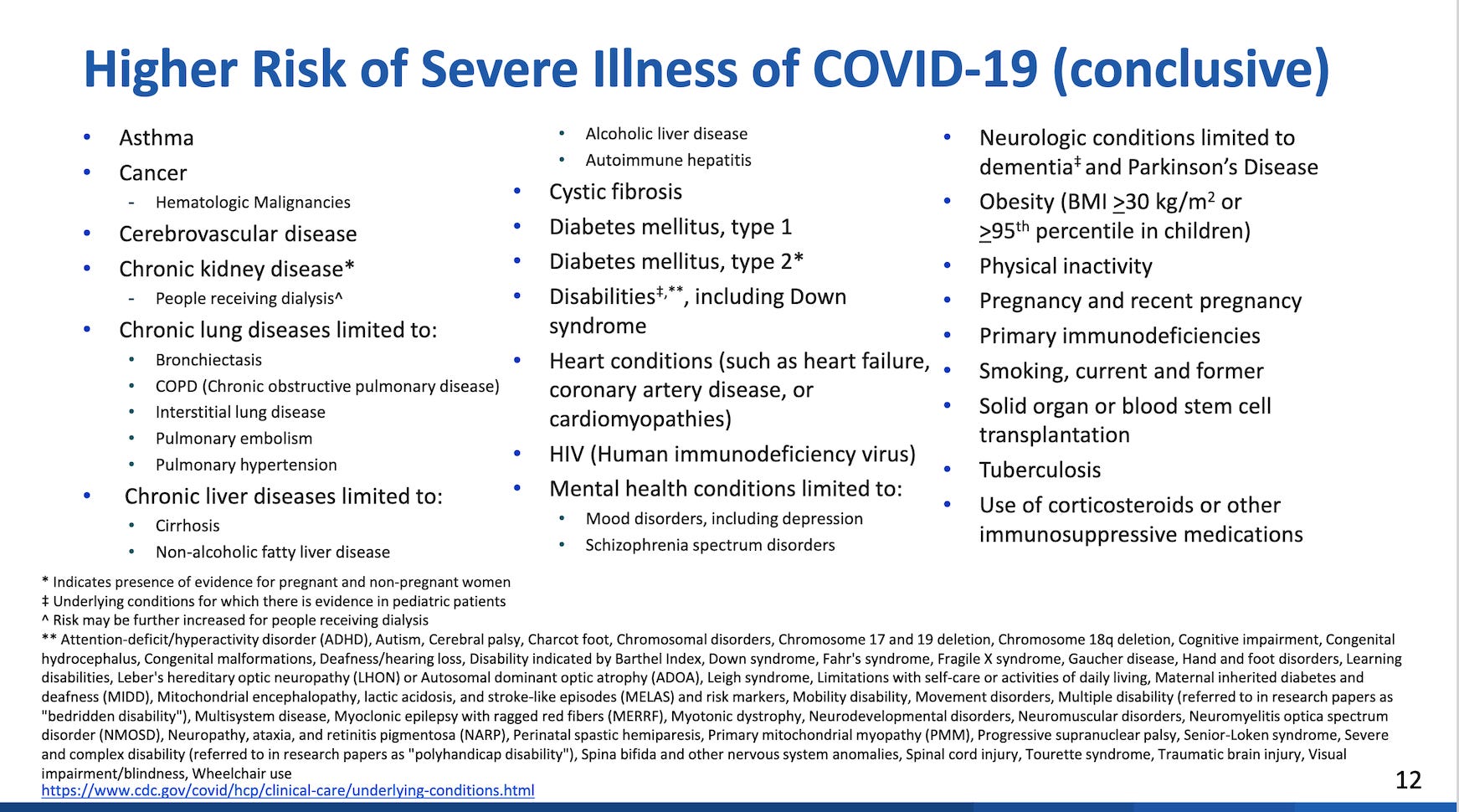
In general, healthcare personnel and anyone at increased risk for severe disease should get an updated COVID vaccine now that they are available, including:
infants and toddlers between the ages of 6 months and two years (although this is different from the advice from RFK, Jr’s CDC, the rationale for vaccinating younger kids is that they have never had COVID before and are in a high-risk group because of their age)
healthy children who have never been vaccinated against COVID and whose household contacts are at high risk for severe COVID
children and adults with high-risk conditions
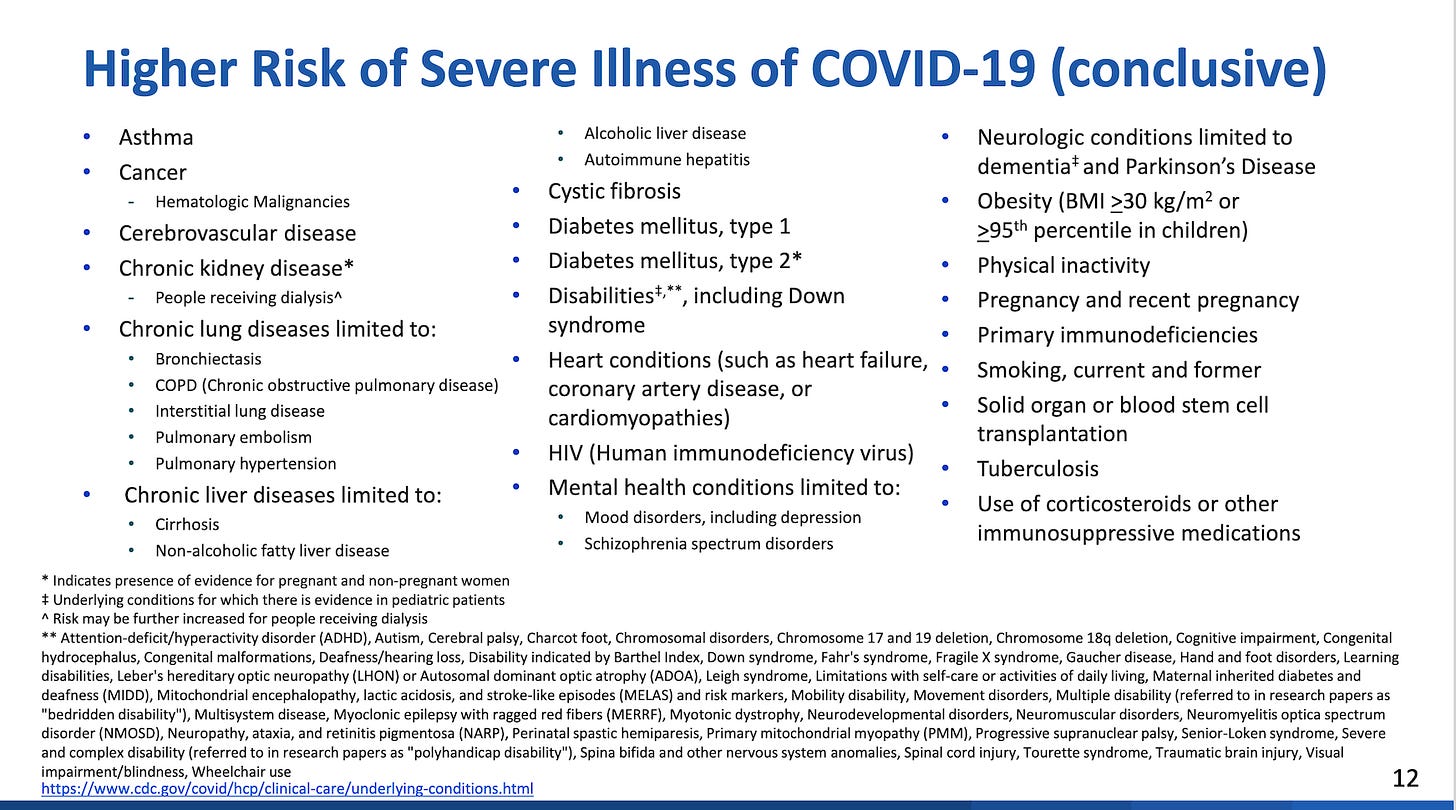
Many conditions can put you at higher risk for a severe COVID infection. people age 65 and older, with a booster dose after 6 months
women who are pregnant - this is also different from the advice of RFK, Jr’s CDC, but is a recommendation of ACOG and the AAP, as they will pass protective antibodies on to their babies until they are old enough to get their own vaccines.
And know that an annual, updated COVID vaccine is still recommended by all leading medical organizations for all adults between the ages of 19 and 64 years.
COVID vaccines are also recommended for anyone else who simply wants to reduce their risk of getting COVID and long COVID.
Unfortunately, getting a COVID vaccine, especially if you or your family doesn’t meet the very narrow CDC or FDA criteria, might be a little harder to do than in past years.
Don’t let that stop you though!
If you want a COVID vaccine, keep pushing - with your provider, your pharmacy (you may need a prescription in some states), and/or your insurance provider, etc. - until you get your COVID vaccine.
And remember that many, if not most, health care providers and pharmacists can and will give you a COVID vaccine off-label if you ask, even if you don’t meet the criteria.
More on COVID
Did Tom Shimabukuro Say COVID Vaccines Were Causing Debilitating Illnesses?
How to Create Anti-Vaccine Propaganda About COVID Vaccine Effectiveness
Have Researchers Proven That COVID Vaccines Can Make You Magnetic?
The National Respiratory and Enteric Virus Surveillance System (NREVSS)
COVID-19 Vaccine Effectiveness and Safety for the 2026-2027 Respiratory Season
From Data to Decisions: The Evidence Base for 2026-27 Respiratory Season Immunizations
Updated COVID-19 vaccines prompt questions about eligibility and access
COVID isn't "back". It never left. It has become established in a human host reservoir that allows the virus to exist, perpetuate, replicate, mutate and disseminate. Looking at vaccination as a tool to reduce morbidity and mortality among high risks groups is admirable but insufficient. The goal should not simply be to reduce morbidity and mortality, it should be to eradicate this virus entirely, to deny it a host reservoir. As with other viruses that exist exclusively in the human host such as Small Pox, the goal should be extinction of the virus. It must cease to exist. The only way to do that is to fully employ well established infection control practices, vaccinate everyone, identify, isloate and quarantine every infected person, until there is no one left who is infected. That's when SARS CoV2 will cease to exist. Why bother? Not because of the waves we have seen, but because one of these days some infected person is going to cough up a mutant that is more virulaent and more deadly than any before and once again millions will die. The fossil record suggests thousands of species have been rendered extinct by viral pandemics. Home sapiens doesn't get a free pass from that risk.
There’s a lot of things going around. None of it good😪😮💨🤢