
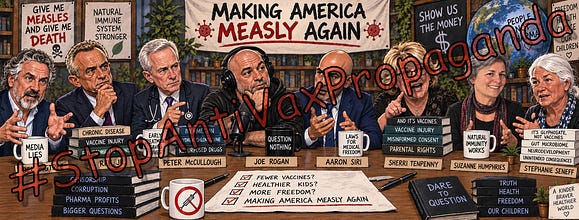

Anti-vaccine influencers are still pushing the idea that vaccines are associated with autism. Now, if that were true, then we should see a very clear correlation between rates of autism and the vaccines on the immunization schedule, right?
Well, let’s take a look!
Do Autism Rates Correlate With the Immunization Schedule?
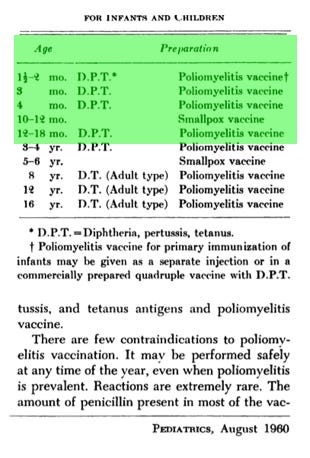
We will start with the immunization schedule from the 1960s.
Why?
Mostly to understand that kids in the 1960s got many more vaccines than most people believe.
And these were vaccines with many more antigens than our kids get today - vaccines that contained thimerosal and aluminum.
But somehow didn’t cause any autism…
Next, let’s look at the immunization schedule from 1992.
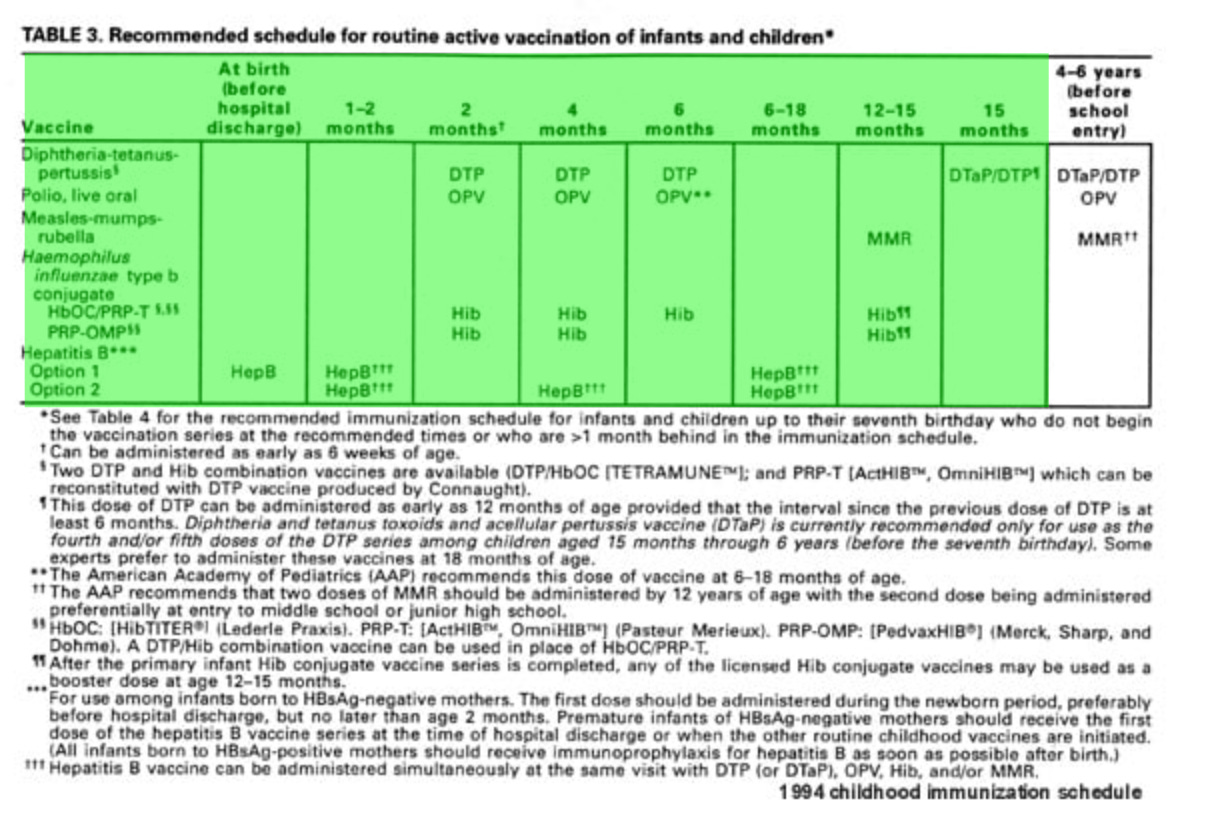
After all, that’s when we see autism rates jump from 1 in 2,500 in the 1960s to 1 in 150 in the report that was put out in 2000 of kids who were born in 1992.
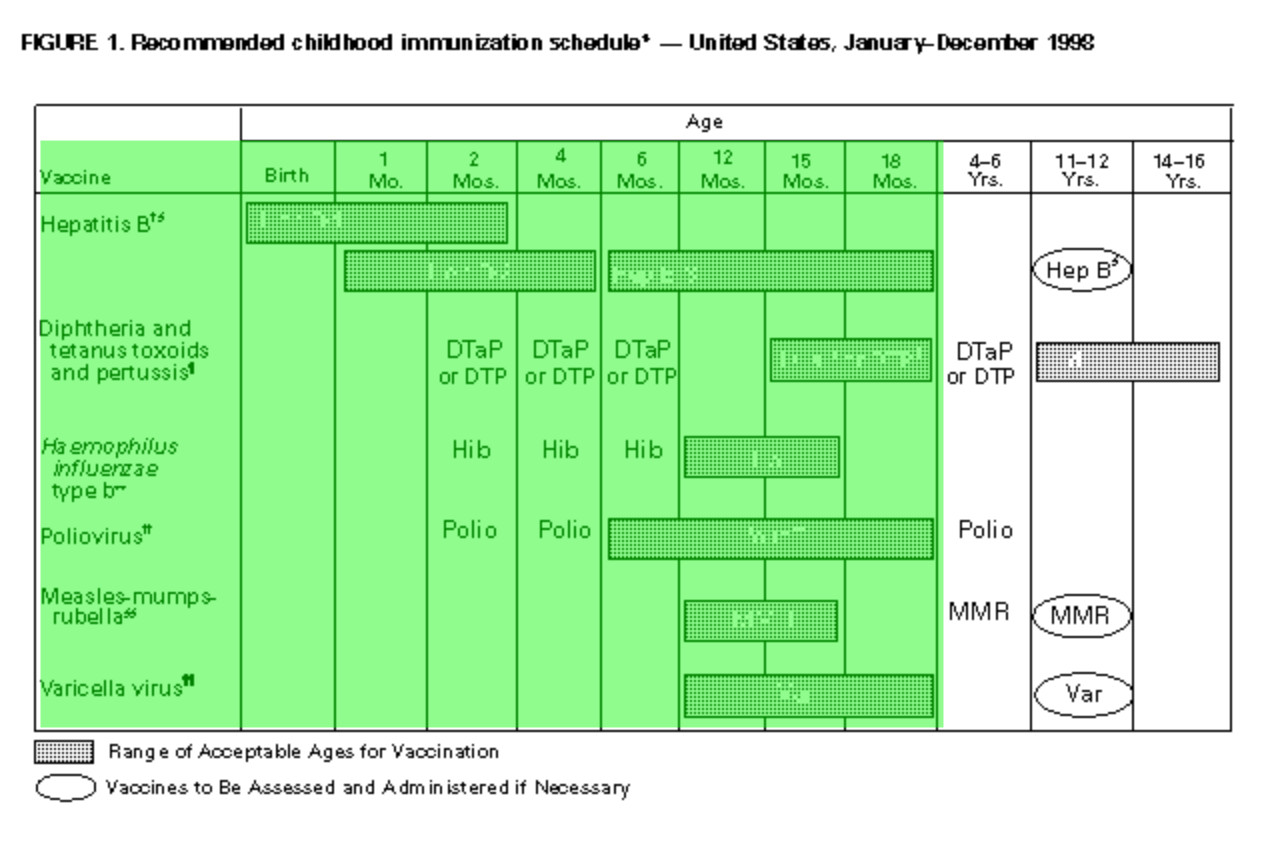
And it increased to 1 in 110 by 2006 for kids who were born in 1998, with only a very minor change to the immunization schedule.
Next, let’s jump to 2010, when autism rates increased to 1 in 68. This report was of kids born in 2002.
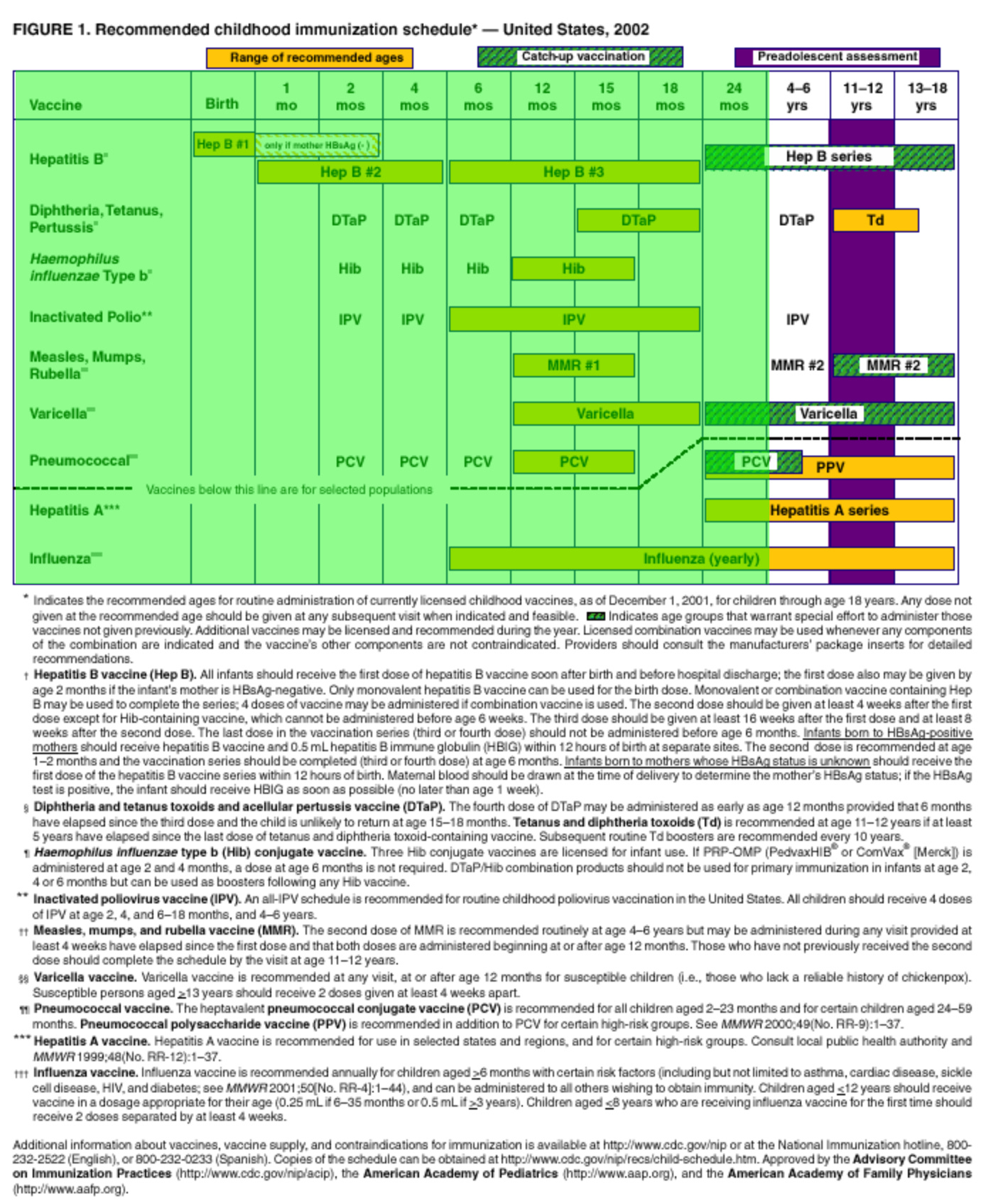
By 2016, autism rates had increased again to 1 in 54.
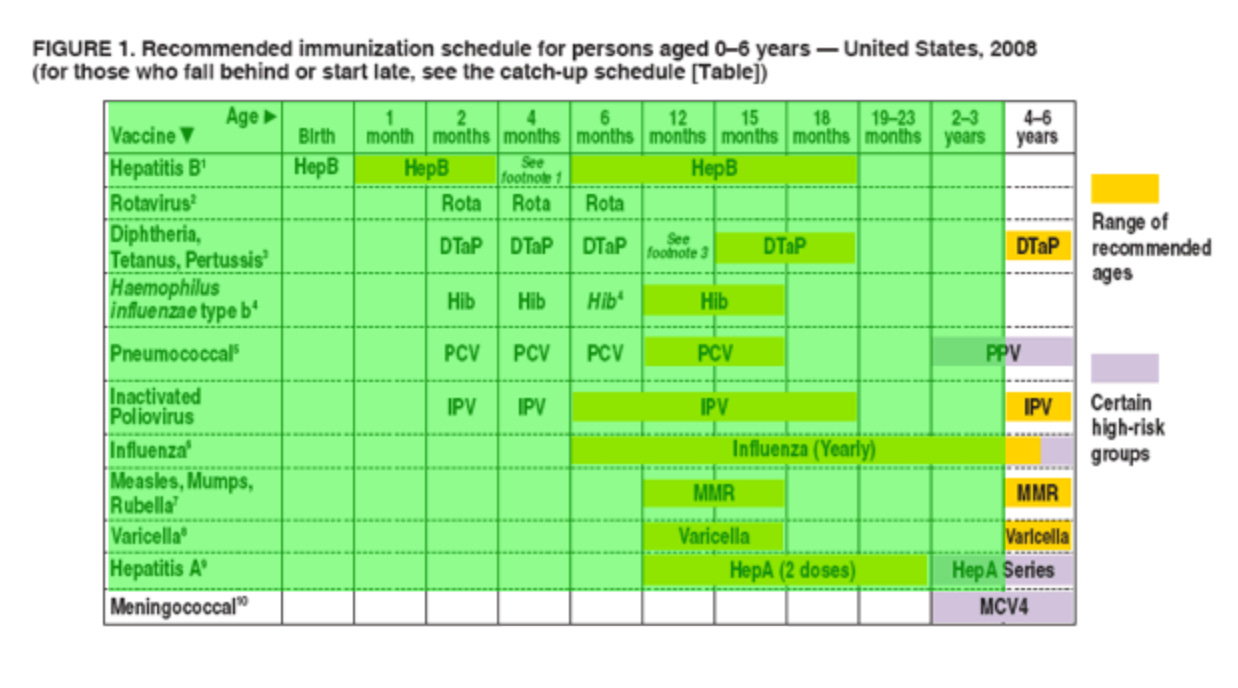
And again, there were few changes to the immunization schedule.
Lastly, let’s look at autism rates in 2022. They increased to 1 in 31, in a report of kids born in 2014.
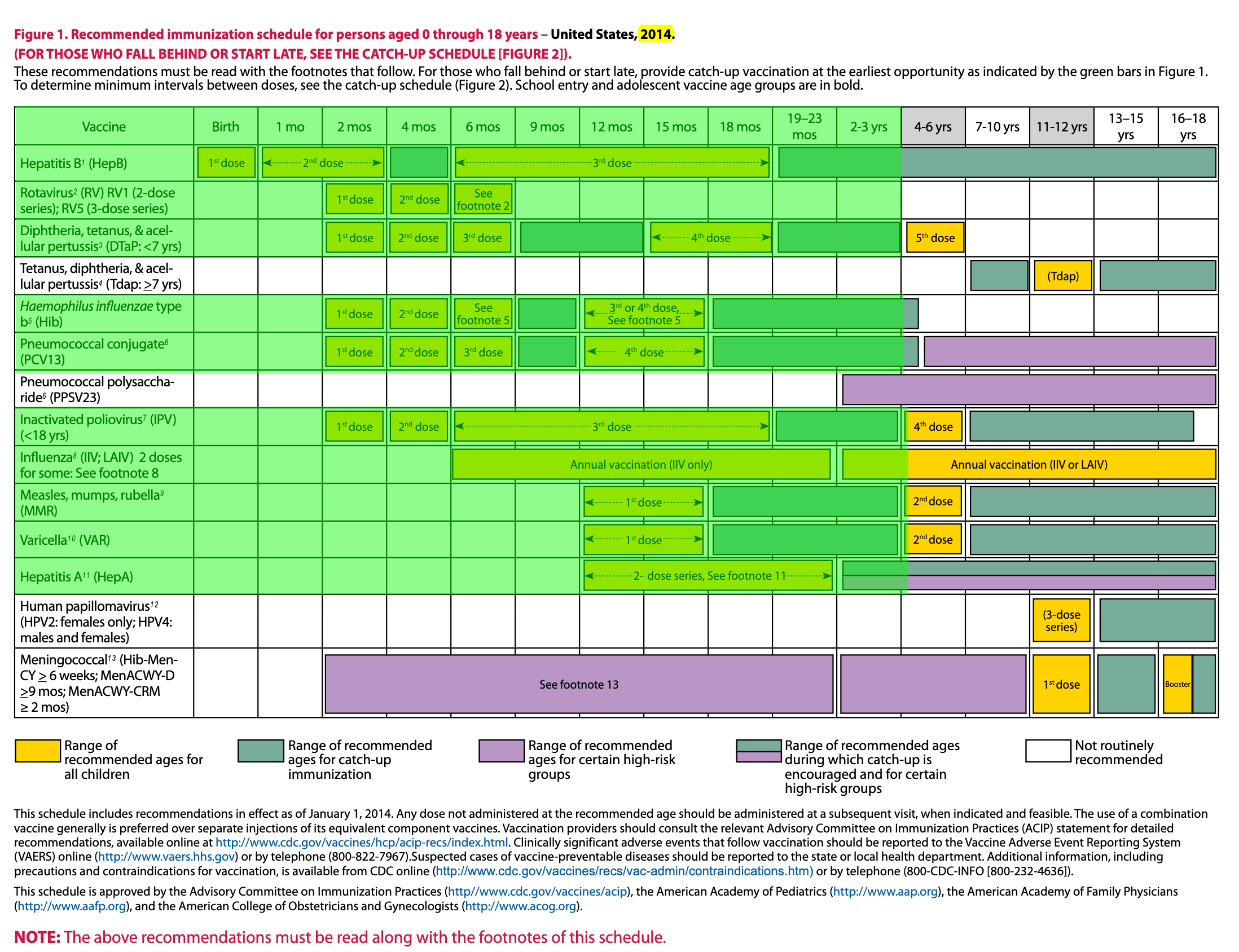
What else?
Well, if you still think that vaccines are associated with autism, which vaccine do you blame?
the MMR, chickenpox, and rotavirus vaccines are live-attenuated vaccines
the Hib vaccine is a polysaccharide conjugate vaccine
the hepatitis B vaccine is a recombinant vaccine
the hepatitis A and IPV vaccines are inactivated virus vaccine
the pneumococcal vaccine is a conjugate vaccine
After all, the autism rates changed as very different types of vaccines were added to the schedule. And countries that don’t give these vaccines still have autism!
So what do you think?
Do you see enough changes to the immunization schedule to make autism rates jump from 1 in 2,500 to 1 in 31, especially after the removal of thimerosal and the drop in the antigen count?
Or do you understand that vaccines are not associated with autism, and the increased autism rates are due to changes in the DSM criteria, increased awareness, and more support.
The answer is clear.
Vaccines are not associated with autism!
More on Vaccines and Autism
Would Your Child Have Been Diagnosed With Autism When Peter McCullough Was a Kid?
Three Reasons You Should Avoid Going to Anti-Vaccine Autism Conferences
Vaccination Coverage of 2-Year-Old Children -- United States, 1992- 1993
Influenza Vaccination Coverage Among Pregnant Women--United States, 2014-15 Influenza Season
Vaccines Don’t Cause Autism, But That’s Not The Point. Stop Being Ableist.
Ooh, ooh, I know this one. The answer is no.