

Do you know what happened to homeopathy and their homeopathic hospitals?
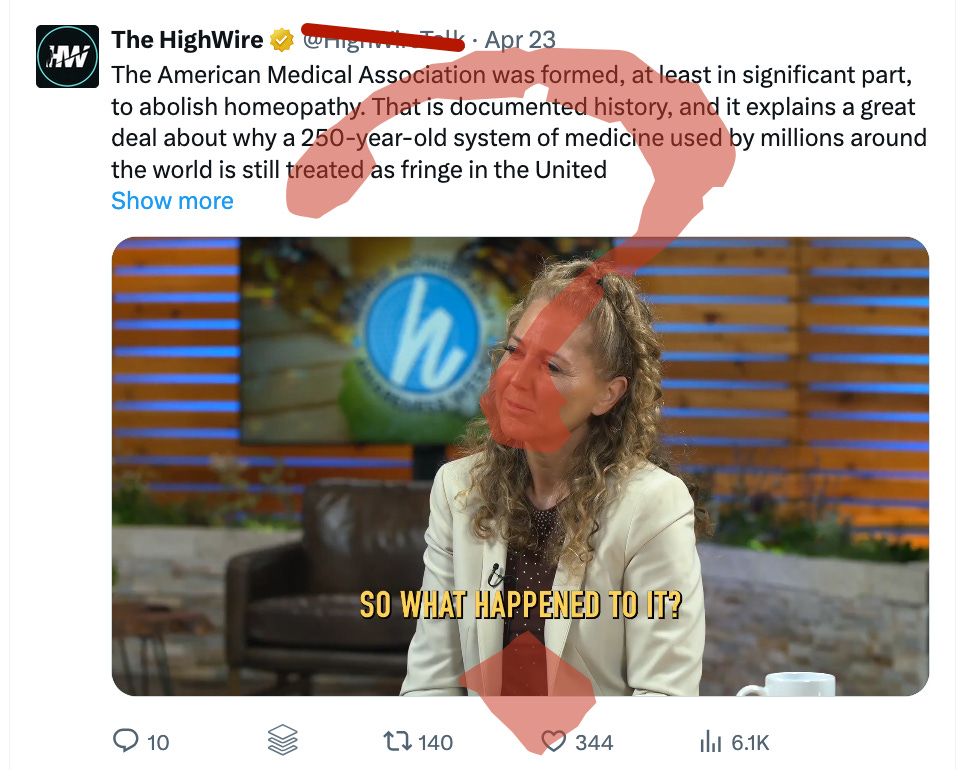
Judging by the shelves filled with homeopathic ‘medicines’ at pharmacies and grocery stores, you are probably thinking that it has gotten more popular, right?
What Happened to Homeopathic Hospitals?
Believe it or not though, it used to much more popular than it is today.
When?
Before we had real medicine.
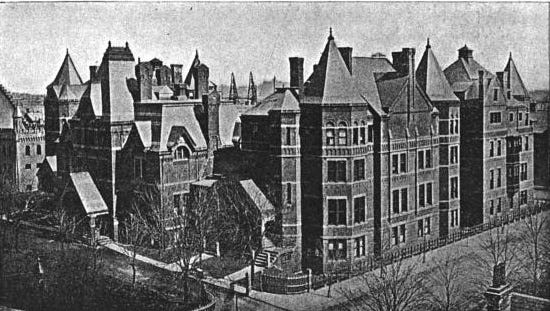
In the 1800s, they even had their own children’s homeopathic hospitals!
In fact, at their peak, there were over 100 homeopathic hospitals in the United States.
So what happened?
Again, real medicine happened.
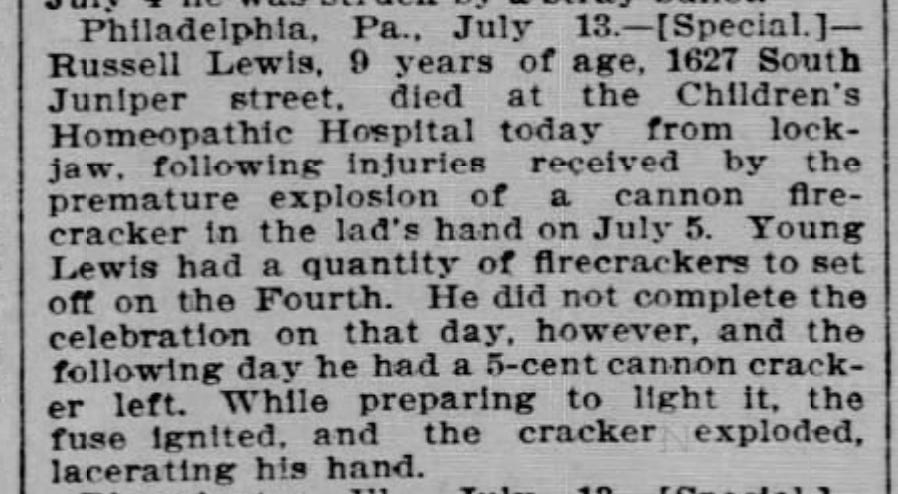
After all, it likely became hard to watch your family members die in a homeopathic hospital being treated with diluted snake venom (Lachesis muta 30C), marsh tea (Ledum palustre), or the highly diluted saliva of a rabid dog (Lyssinum), when they could go to a real doctor or hospital and get treated with antitoxin when they had diphtheria, tetanus, or if they were exposed to rabies.

Well, regular doctors didn’t have that much in their medicine bag to treat their patients with at the time either. That’s one of the big reasons alternative treatments like homeopathy, chiropractic, and naturopathy were so popular at the time.
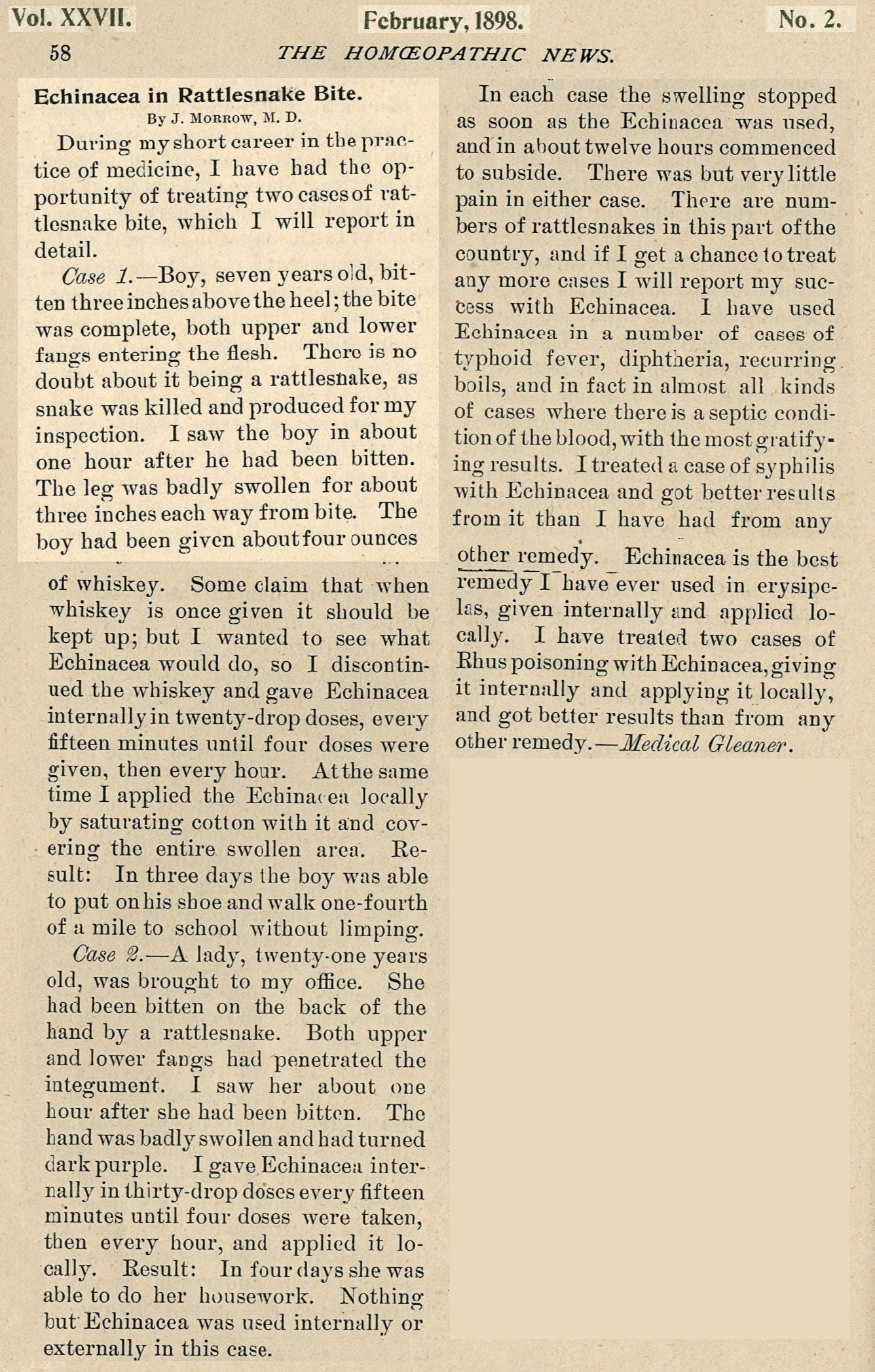
They were starting to though.
And of course, things really changed with the discovery of testing for spyhilis (1906), EKGs (1914), insulin (1921), vitamin D (1922), penicillin (1928), X-rays, and other medical treatments, etc.
That led to the collapse or fall of homeopathy and many other alternative therapies.
“Whereas homeopathy was nearly extinct in America — introduced here in 1825, the last homeopathic hospital shut its doors in the 1950s — a renaissance of magical thinking and the proliferation of anti-corporate sentiments arising in the sixties rekindled our fascination. While homeopathy was created as a response to the barbaric practices of nineteenth century medicine, the founding principles have since been disproven thanks to the hard work of tireless researchers. Still, homeopathy persists. Why?”
Why Do We Still Believe in Homeopathy?
Unfortunately, like many other things, homeopathy bounced back!
With the New Age movement and a yearning for natural treatments in the 1970s, homeopathy returned.
Of course, it still doesn’t work, but that doesn’t stop holistic and functional providers from pushing it on people.
People who don’t remember what really happened to it in the first place!
“To put it succinctly, homeopathy is scientifically implausible. Its precepts defy the laws of chemistry, physics and biology. It cannot possibly work.”
Homeopathy is scientifically implausible
People who typically don’t really understand how homeopathy claims to work…
You know, the whole like cures like thing, the law of infinitesimal doses/the law of minimum dose (homeopathic meds become more potent as they become highly diluted/treatments work best as the lowest dose), and that the water homeopathic drugs are diluted in retains a memory of the original substance that was put in it?
Do you believe, as Samuel Hahnemann who founded homeopathy in 1796, that homeopathic medicines retained a ‘dematerialized spiritual force’ because homeopaths shook them violently during the dilution process?
I mean, that’s why you are taking heavily diluted wild duck, heart, and liver extract (Oscillococcinum) when you have the flu, right?
More on Homeopathy
Homeopathic Vaccines Don’t Work or Why You Shouldn’t Take Immunization Advice from a Homeopath
The rise and fall of homeopathic medicine in the US, and its continued popularity today
Flexner’s View of Homeopathic Schools: An Excerpt from the Flexner Report (1910)
Scientific and Medical Consensus That Homeopathy Lacks Reliable Evidence of Efficacy