
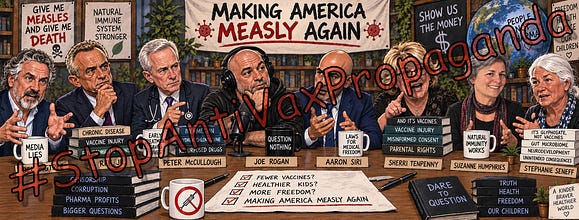

With the rise in anti-vaccine influencers, more parents are scared to vaccinate their kids. This leads to ever more vaccine questions to help them understand that vaccines are safe, with few risks, and are effective and very necessary.
Vaccine Questions a Pediatric Provider Might Be Asked
What kind of questions?
We have answered many of them before, but here are a few more:
1. Was the vaccine that you are recommending tested in a pre-licensure clinical trial with a placebo control group? If not, how do you calculate its true rate of adverse events?
All vaccines are well tested and include placebo control groups, including saline placebo controls when appropriate.
And yes, vaccines have been tested together and there are long-term studies on vaccine safety.
2. If our child experienced a health problem following vaccination, what medical tests are at your disposal to decide whether the condition was actually caused by the vaccine?
There is actually a standardized algorithm that can help your pediatric provider collect and interpret all the data they will get when evaluating a possible vaccine injury, which can include medical tests.
There is another standardized algorithm they can use if they suspect an allergic reaction to a vaccine. The WHO algorithm to assess for COVID vaccine adverse events is also helpful.
3. What medical tests can you do to determine if my child is at a high risk of being injured by a certain vaccine?
The only medical tests that might be done would be those looking to screen or rule out suspected contraindications or precautions to getting vaccinated, especially for allergies.
Unnecessary testing that will not tell you if your child is at high risk for a vaccine injury include MTHFR mutation testing, HLA typing, and screening for IL-4 receptor mutations, PON1 gene mutations, APOE4 gene variants, TNF-alfa polymorphisms, ADRB2 polymorphisms, or CBS gene mutations.
These are simply tests that holistic pediatricians, functional medical providers, and anti-vaccine influencers push and are happy to sell to you, but will just scare you away from vaccinating your child.
They don’t predict risk of vaccine injury though.
4. Are you familiar with the VAERS system? Have you ever filed a case with VAERS? If your patient experiences an adverse health event following vaccination, do you check VAERS for reports of similar symptoms before deciding how to proceed with the case? Do you report it to VAERS?
One of the most important things to understand about VAERS, the passive reporting system for vaccine adverse events, is that anyone can file a VAERS report online. You don’t have to be a provider or any kind of health professional.
And while it is almost certainly true that vaccine adverse events to VAERS are underreported, it is also true that the great majority of serious adverse events do actually get reported! So your pediatric provider probably won’t report to VAERS every time a child has fever, redness, or swelling at a vaccine site. But they almost certainly will report it if they have intussusception, thrombocytopenia, a severe allergic reaction, or any condition that resulted in a hospitalization, etc.
Fortunately, severe reactions to vaccines are not common.
Also, VAERS isn’t a database that a provider would check, but is instead a tool that experts use to monitor for signals. A tool that works well, as it has helped detect issues with some vaccines, including intussusception with the original rotavirus vaccine, anaphylaxis with the first COVID vaccines, thrombosis with thrombocytopenia syndrome with the J&J COVID vaccine, and myocarditis in teens and young adults with some COVID vaccines.
5. Do you know who funds most vaccine safety research? Are you familiar with the process used to allocate medical research grants? Would you expect pharmaceutical companies and government agencies to fund vaccine safety studies that could potentially find serious faults in the vaccines they manufacture, license, and recommend to the public?
In a perfect world, maybe the money for money to fund vaccine safety studies would come from somewhere else, but who do you expect to pay for it?
“Sure, vaccine companies have been behind some of the safety trials, but there have been plenty of trials conducted by independent scientists working off of grants that did not originate with pharmaceutical companies.”
“Follow the money”: the finances of global warming, vaccines, and GMOs
Well, many researchers find that kind of money for their vaccine safety studies from various public health agencies, advocacy groups, and philanthropy associations.
Right now, though, there is not enough to go around, so researchers work to eliminate bias and any conflicts of interest as best they can.
Still, there are plenty of vaccine safety studies that were not funded by Pharma.
“Conflicts of interest do exist, and there is a well-known and often-denounced revolving door between industry and regulation. But to claim that every scientist involved in vaccine research is corrupt? That millions of researchers, including those merely analyzing data from the past and comparing rates of autism between vaccinated and unvaccinated groups, are actively concealing dangers? We’re now in the realm of the grand conspiracy theory, for which there is no evidence.”
How We Know that Vaccines Are Safe
Also, if the current system is corrupt, why don’t all new vaccines being tested make it to the schedule?
Why have some been discontinued?
And why do countries with socialized medicine systems have similar immunization schedules as the United States? If getting vaccinated and protected isn’t cost-effective, why would those countries vaccinate their kids?
6. Are you aware of any medical study that compared the overall health of vaccinated children to unvaccinated children? In the absence of these kinds of studies, what is the scientific evidence of the safety of the childhood vaccine program? In the absence of such a study, would you still tell parents their children are “better off” getting all routine vaccinations? If so, on what grounds?
You are if you are a regular reader of my Vaxopedia!
There are many studies of vaccinated vs. unvaccinated children, and they simply show that unvaccinated children get more vaccine preventable diseases. Unvaccinated children are not healthier than vaccinated children. And yes, there are many autistic kids who are unvaccinated.
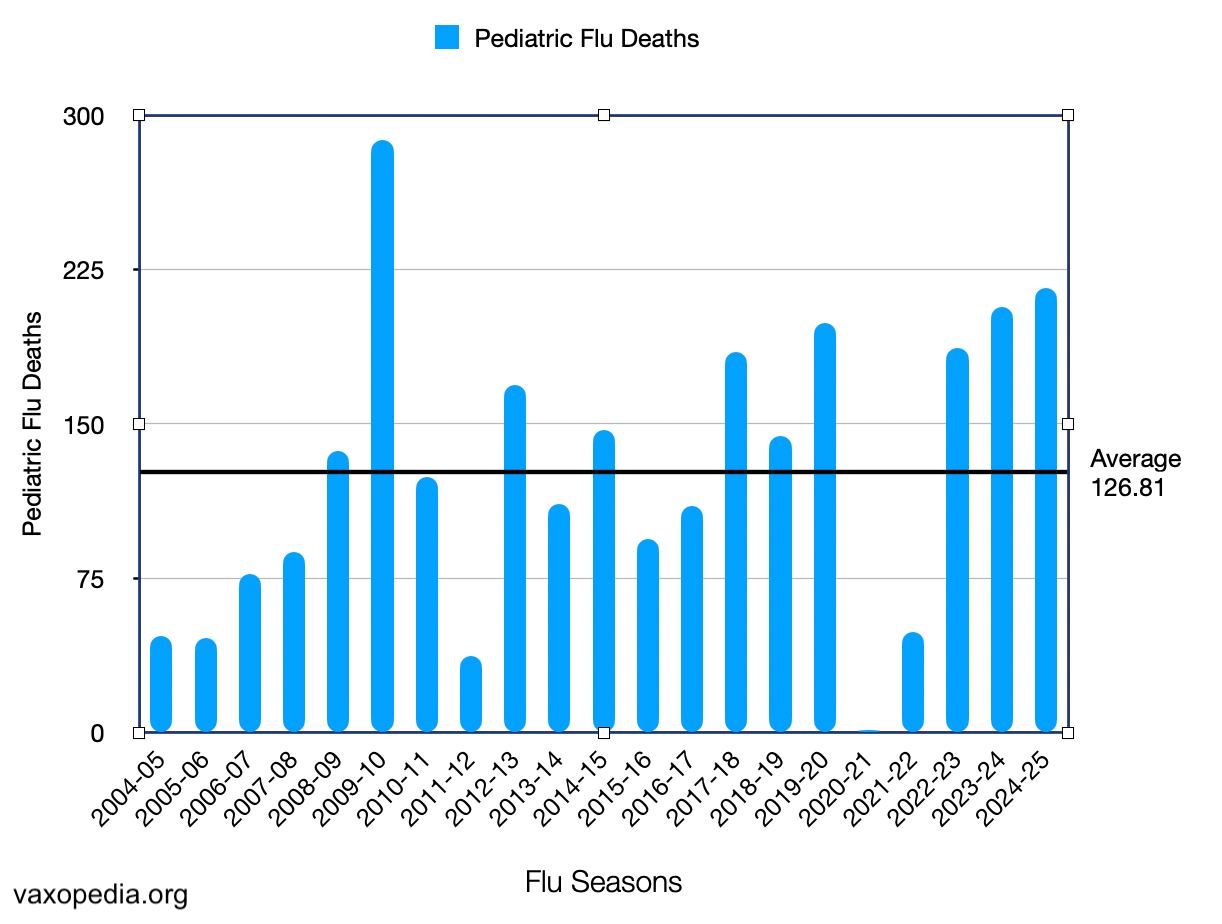
Studies that show a benefit for unvaccinated children are very poorly done by anti-vaccine influencers and are funded by anti-vaccine groups.
Also know that while anti-vaccine influencers often talk about informed consent, they are offering the opposite. They leave out critical information in their propaganda, like the risk of getting a vaccine preventable disease if you skip or delay getting vaccinated. And since they overstate the risks of vaccines, they are making sure you are too scared to vaccinate and protect your family.
Any more questions?
References
How We Know that Vaccines Are Safe https://www.mcgill.ca/oss/article/covid-19-medical-critical-thinking/how-we-know-vaccines-are-safe
“Follow the money”: the finances of global warming, vaccines, and GMOs https://thelogicofscience.com/2015/04/18/follow-the-money-the-finances-of-global-warming-vaccines-and-gmos/