
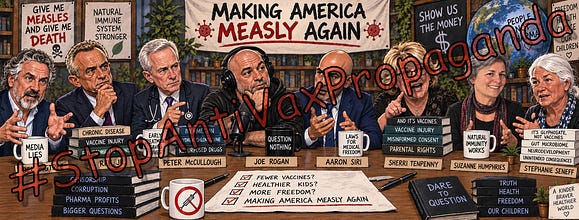

Why do some people think that splitting up vaccines can reduce side effects and make them safer?
The usual suspects…
Splitting Up Vaccines Does Not Reduce Serious Side Effects
Now it is easy to see why many people believe this little bit of misinformation so easily though.
After all, if two vaccines can each cause you to have a high fever, then you are greatly increasing the chance that you will have a fever if you get them at the same time, than if you got them on separate days, right?
Well, no.
That’s not how that works…
And when getting vaccines together does increase your risk of side effects, we typically know about it! Like when the combination MMR-V led to a small increase in febrile seizures for infants.
In most cases though, the chance of having a high fever or other serious side effect is actually going to be the same; you are just splitting the risk over a few different days.
The Benefits of Combining Vaccines
And serious side effects, which are uncommon anyway, are rarely less when you split them up, getting fewer vaccines than scheduled at one visit. All you end up with is a delay in getting protected…
And that’s why, instead of splitting up vaccines, we have actually been combining more and more vaccines into just one injection!
One injection, which can mean less pain for your child!
What else?
Combination vaccines typically have smaller volumes and less of some of their ingredients, like aluminum, than if you got the vaccines separately.
How do we know all of this?
Vaccines are Tested Together
Despite what you have likely been hearing from anti-vaccine influencers, vaccines are studied with other vaccines, including:
HPV9 with Tdap and Meningococcal vaccines - giving all three vaccines at the same time led to no vaccine-related serious adverse events.
DTaP-HepB-IPV with PCV and Hib - no increase in high fever with the combination fever, which was low in all groups getting vaccinated.
DTaP-IPV-Hib - studies found no clinically important differences in the safety or immunologic profiles for the combination vaccine vs. giving the vaccines separately
Also, in developing the MMR vaccine, studies were done on combination vaccines vs. giving the separate components, including mumps+rubella, measles+rubella, and measles+mumps.
Not surprisingly, they all found that the combination vaccines did not cause “significant clinical reaction.”
What else?
Vaccines today, have far fewer antigens than they did in the past!
For example, while the original DPT vaccine had 3,002 antigens in each shot, children today only get a small fraction of that from all doses of vaccines they get on the immunization schedule!
The Risks of Splitting Up Vaccines
So, now you know vaccines are already tested together and show no increased risk of serious side effects.
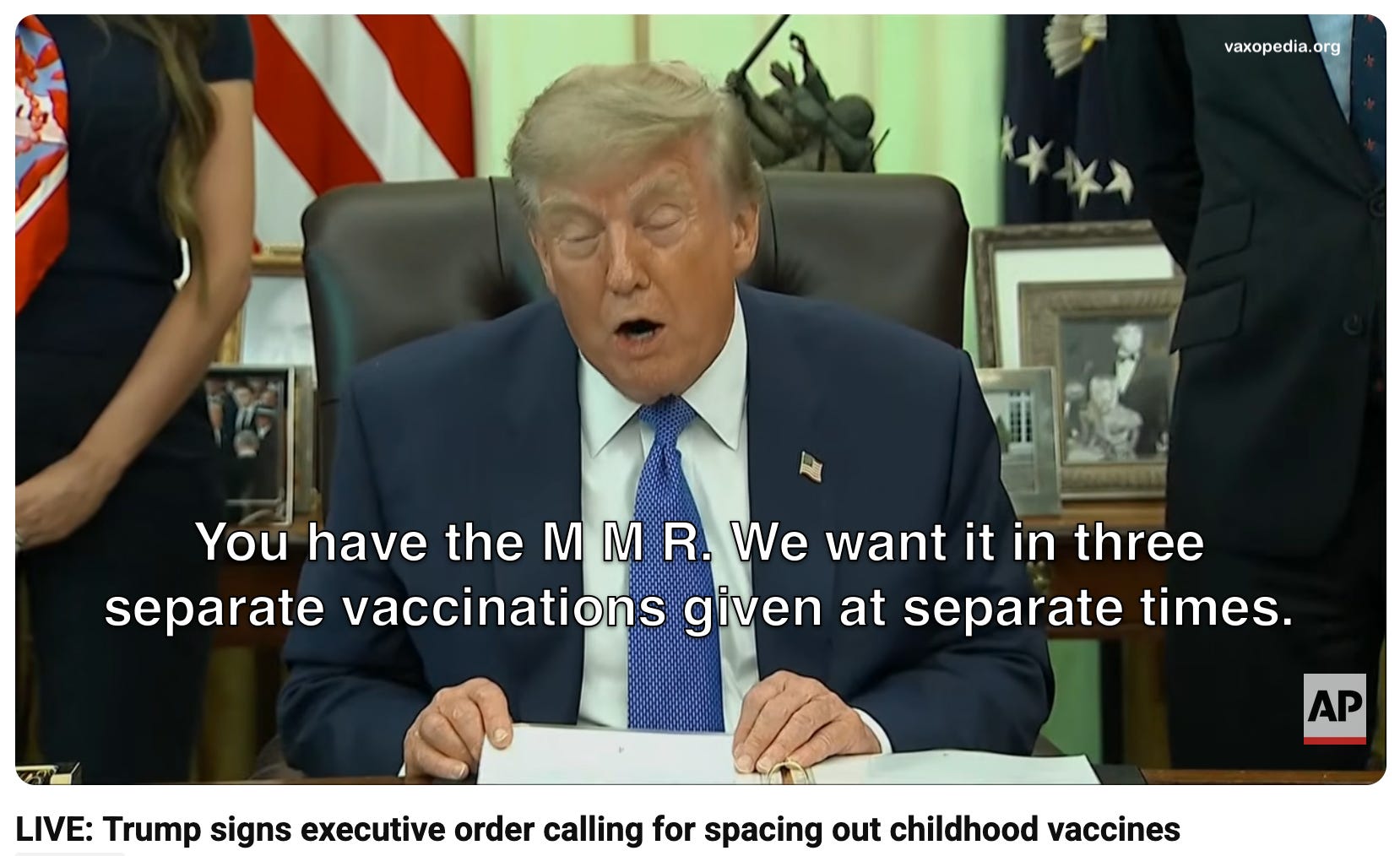
You should also know about the risks of splitting up and delaying vaccines, as Donald Trump talks about in his plan for kids to “separate vaccinations at separate visits.”
A plan that will simply delay how long it will take for your kids to get vaccinated and protected and could leave them susceptible to life-threatening diseases, like pertussis, Hib meningitis, pneumococcal meningitis, and of course, measles.
“Children whose parents delay vaccinations may be at increased risk of not receiving all recommended vaccine doses by 19 months of age and are more vulnerable to vaccine-preventable diseases.”
The Association Between Intentional Delay of Vaccine Administration and Timely Childhood Vaccination Coverage
It adds extra risk, with no additional benefits.
More on Splitting Up Vaccines
If It’s Vaccines, Then Why Are There Autistic Kids Who Are Unvaccinated?
The Peter McCullough Go Natural Childhood Immunization Schedule
Do Combination Vaccines or Simultaneous Vaccination Increase the Risk of Adverse Events?
Why delayed vaccination schedules can be harmful to children
Here’s How We Know It’s Safe to Get Multiple Vaccines at Once
Coadministration of a 9-Valent Human Papillomavirus Vaccine With Meningococcal and Tdap Vaccines
Combined Live Rubella-Mumps Virus Vaccine Findings in Clinical-Laboratory Studies
I think we all know that splitting up vaccines is just their way of being able to pick and choose which vaccines they want to avoid. Antivaxxers just want to be able to choose. Some of them think that some vaccines are less important than others. Not all antivaxxers are 100% against all vaccines. The problem with this attitude is that all of VPDs are or can be serious and none should be avoided!