

When do you hear about rubella? Often, it is just when you are pregnant and they are checking your rubella titer.
Do you know why they do that?
It’s to help make sure that you are immune to rubella and so that you don’t have a baby with congenital rubella syndrome!
Let’s Talk About Congenital Rubella Syndrome
You remember congenital rubella syndrome, right?
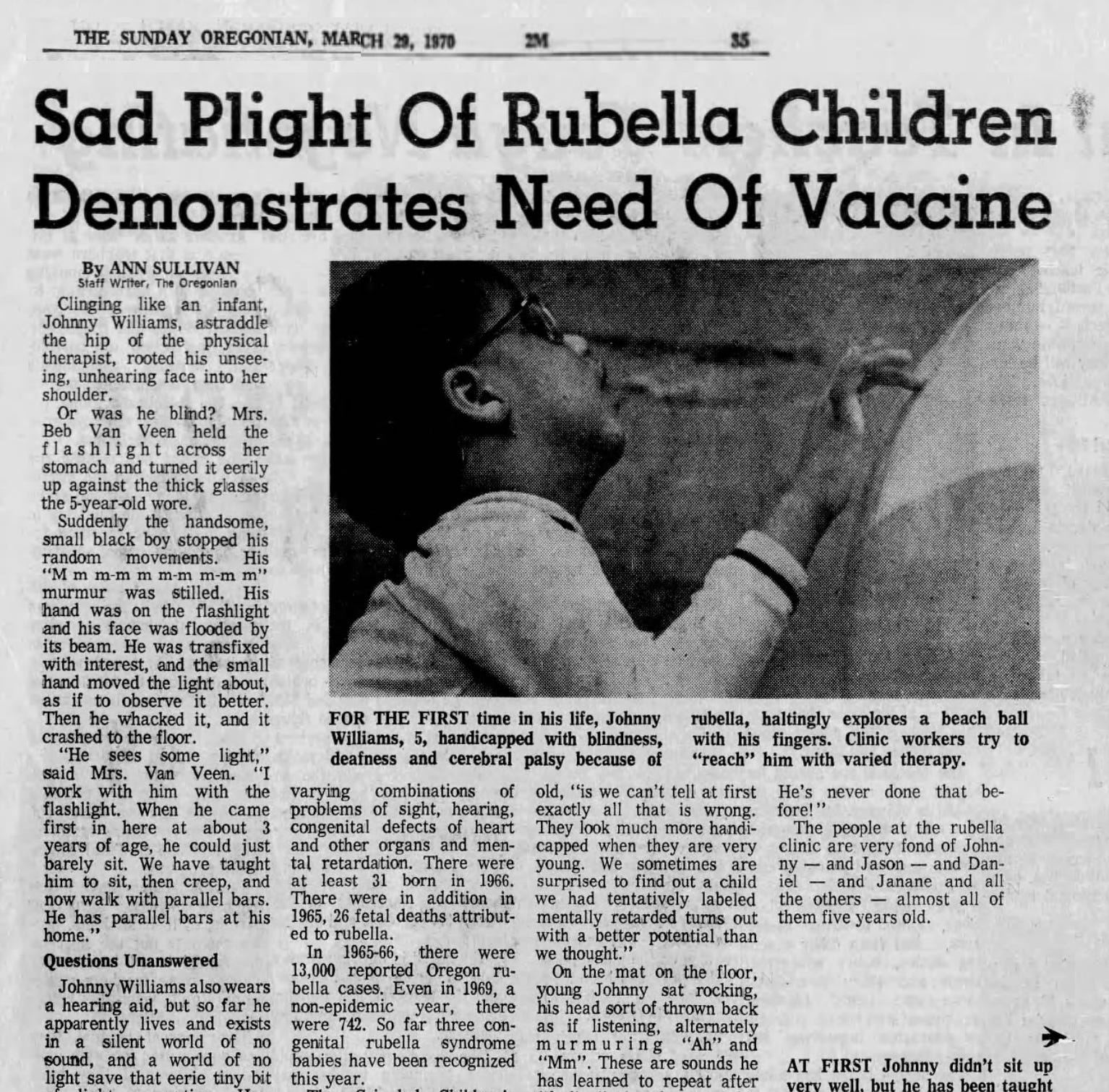
During the rubella epidemics of the 1960s, about 12.5 million people in the United States had rubella, leading to at least 11,250 fetal losses/therapeutic abortions, 2,100 neonatal deaths, and 20,000 infants born with congenital rubella syndrome.
Are you wondering why this all began in the 1960s?
It didn’t!
Rubella epidemics had long been following a 5- to 7-year cycle and already been associated with congenital rubella syndrome.
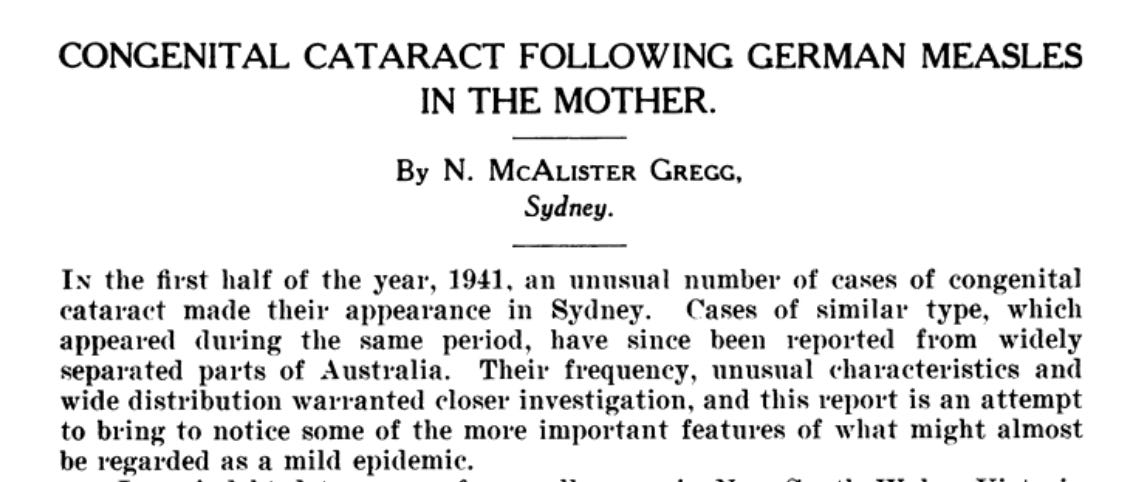
Norman Gregg, an Australian ophthalmologist, discovered the connection after a rubella epidemic in 1940.
And there had been rubella epidemics in:
1928 - a US epidemic
1935 - a major US epidemic
1943 - a major US epidemic
1952 - a US epidemic
1958 - a US epidemic
1964-65 - a major US epidemic
Not that rubella only occurs in epidemics, though.
We also see rubella each year in a seasonal pattern, with a peak in early spring, there are just many more cases during an outbreak year.
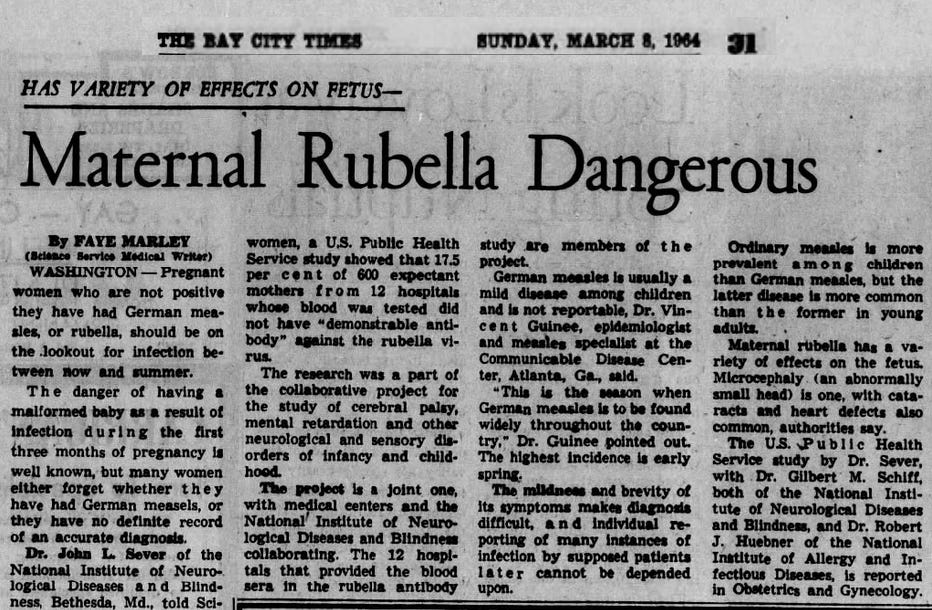
And that’s what we had in 1964.
Maybe because it had been a little longer since the previous epidemic, so there were more susceptible people.
Or maybe because it followed the worldwide rubella pandemic that began in 1962, so there was more rubella going around.
Another factor? More awareness, since most people were now aware of the possibility of having a baby with congenital rubella syndrome.
Whatever the reason, the rubella epidemic in 1964/65 was the largest in over 20 years.
It led to national surveillance for rubella/CRS and the first rubella vaccine being licensed in 1969.
Unfortunately, it didn’t mean the end of rubella or congenital rubella syndrome.
Sure, cases are way down, but we have still seen:
1969-71 - a resurgence with 159,324 reported cases of rubella and 171 cases of congenital rubella syndrome just as the first vaccine was licensed and in what would otherwise have been an epidemic year
1977-79 - a resurgence with about 50,195 reported cases of rubella and 116 cases of congenital rubella syndrome
1990-91 - outbreaks among unvaccinated adults, including among the Amish, with at least 2,537 reported cases of rubella and 56 cases of congenital rubella syndrome
1992-1999 - at least 1,757 reported cases of rubella and 54 cases of congenital rubella syndrome
2000-2023 - about 323 reported cases of rubella and 30 cases of congenital rubella syndrome
So what’s next?
Rubella is not gone.
So as we saw in 1990-91, rubella outbreaks often follow measles outbreaks, you can expect that we will start seeing some neonatal deaths and babies being born with congenital rubella syndrome.
At least we will if more people don’t start getting vaccinated.
You especially want to make sure that you have had two doses of the MMR vaccine before if you think about getting pregnant if you want to avoid rubella and congenital rubella syndrome.
What else?
Before a vaccine, natural immunity did nothing to prevent these outbreaks and epidemics!
Again, we simply saw bigger epidemics once there was a new group of susceptible kids who had not yet had rubella. Kids who had been born since the last epidemic.
I had Rubella probably in 1962 or thereabouts. I remember it. I was covered with a rash and had a high fever. I remember being scared. I think i was maybe ten years old.