

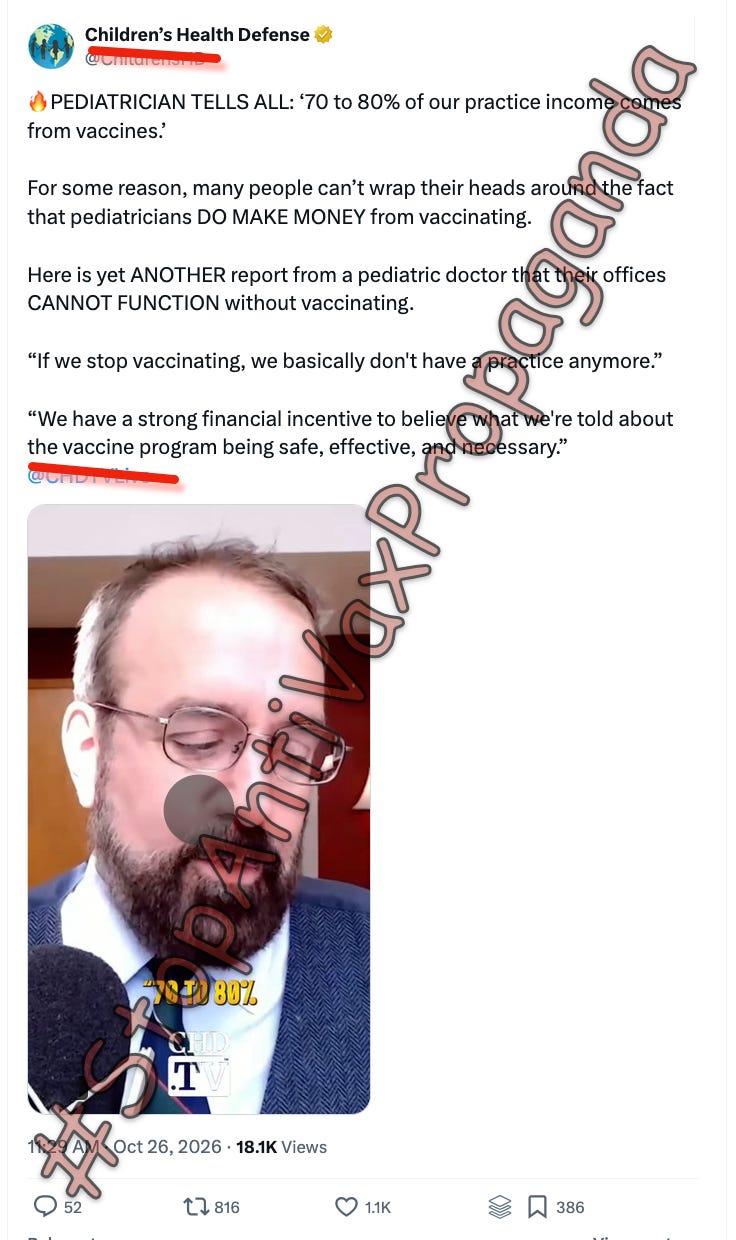
Why do some people believe that 70 to 80% of a pediatrician’s practice income comes from vaccines?
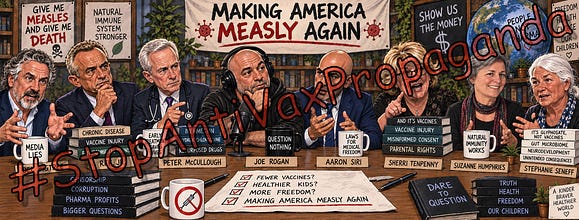
The usual suspects…
Does 70 to 80% of a Pediatrician’s Practice Income Come From Vaccines?
Of course, this is a ridiculous statement.
I mean, think about it.
If there was a lot of money to be made from giving vaccines, then pediatricians wouldn’t be the lowest-paid medical professionals, would they?
After all, they are the medical professionals that give the most vaccines, right?
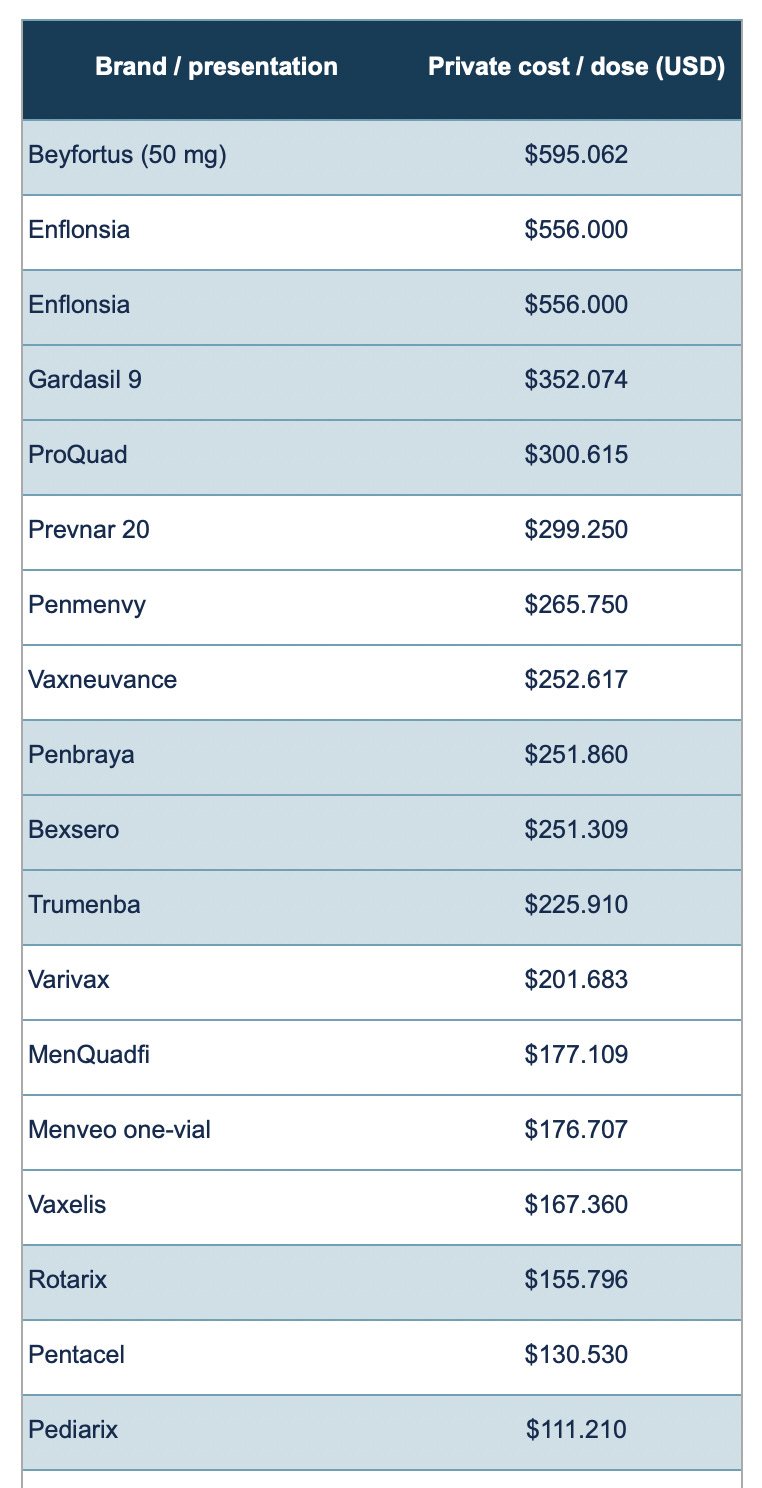
Sure, but they are also the medical professionals that have to buy all of those vaccines that they give their patients!
What else?
"A national survey of pediatric and family medicine practices found substantial payer-to-payer variation in payment for both immunization purchase and administration, with many practices reporting payment levels that barely covered the purchase price and, in some cases, threatened the financial sustainability of providing immunizations.”
Ensuring Practice Sustainability for Pediatric Immunization Infrastructure Fact Sheet – June 2026
Pediatricians have to pay for all the costs associated with giving vaccines, which can include:
Dedicated vaccine refrigerators and freezers
Vaccine inventory management - including daily stock counts; lot and expiration tracking; rotating stock; reconciling administered doses; managing recalls, returns, transfers, and credits; separating and reconciling public and private stock; and ordering of monthly inventory.
Vaccine administration supplies - needles, syringes, alcohol wipes, gauze, bandages, hand-hygiene products, gloves and other protective equipment when indicated, etc.
Vaccine temperature monitoring equipment - Can include primary and backup digital data loggers, buffered probes, plus calibration or replacement, batteries, alarm systems, subscriptions, connectivity, and daily staff review of temperature records.
Emergency storage and transport - In case of a vaccine storage emergency, like a blackout, you need backup storage arrangements, qualified transport containers, temperature monitors, packing materials, emergency transport, backup power where used, and staff response to outages or alarms.
Preparation and administration labor - The time a staff spends counseling patients about vaccines, obtaining consent, selecting and checking stock, preparing or reconstituting doses, administering vaccines, assisting with positioning, documenting everything, and disposing of used supplies.
Training and compliance costs - Initial and ongoing immunization training; storage-and-handling training; vaccine coordinator and backup coordinator time; written procedures; VFC eligibility screening, documentation, inventory reporting, and site-visit preparation.
Wastage and inventory losses - Expired doses that can’t be returned; unused multidose-vial contents; damaged or improperly prepared doses; doses prepared but declined; temperature-excursion losses.
Billing and collections fees - Coverage verification; coding; claim submission; clearinghouse or billing-service fees; payment posting; denial correction; appeals; underpayment review; allowable patient collection work and payment-processing fees.
Software and technology costs - Vaccine inventory systems, the vaccine-related share of EHR and practice-management costs, registry interfaces, barcode scanners, label printers, support, and system maintenance.
Costs that are not all covered by the vaccine administration fees that are paid to pediatricians by insurance companies.
“Current payment rates are not just insufficient, they are unsustainable and threaten the broader pediatric immunization infrastructure.”
Ensuring Practice Sustainability for Pediatric Immunization Infrastructure Fact Sheet – June 2026
And that’s likely why the only pediatricians who claim that there is big money in giving vaccines are those pediatricians who don’t actually vaccinate any kids in their offices!
“…nearly 1 in 4 pediatricians has considered abandoning vaccine delivery due to the financial burden.”
Ensuring Practice Sustainability for Pediatric Immunization Infrastructure Fact Sheet – June 2026
After all, once a pediatrician buys all of those vaccines, they can’t just mark them up as much as they want and charge whatever they want.
Why not?
Because insurance companies choose to pay them what they want to pay them for the vaccines, just like everything else.
Lastly, few pediatricians get those bonuses that anti-vaccine influencers like to talk about. And even when they do, the bonus is much smaller than it is claimed to be.
So at best, most pediatricians break even when it comes to vaccines.
And while some might make a little extra money from vaccines, many more actually lose money.
More on the Cost of Pediatric Vaccines
Ensuring Practice Sustainability for Pediatric Immunization Infrastructure Fact Sheet – June 2026
Vaccine Financing From the Perspective of Primary Care Physicians
Net financial gain or loss from vaccination in pediatric medical practices
Fact-checking RFK Jr.’s claim that pediatricians recommend vaccines for money
Trust Your Pediatrician: Vaccines Protect Children, Not Profits